Understanding Wildfire Containment: What Those Percentages Really Mean
Chief Dennis Fagnant
When wildfires rage across forests, grasslands, or communities, fire officers often report containment percentages to communicate progress. While these numbers offer valuable insight, they can sometimes be misunderstood. Understanding how containment percentages are calculated and what factors influence them provides a clearer picture of wildfire control efforts.
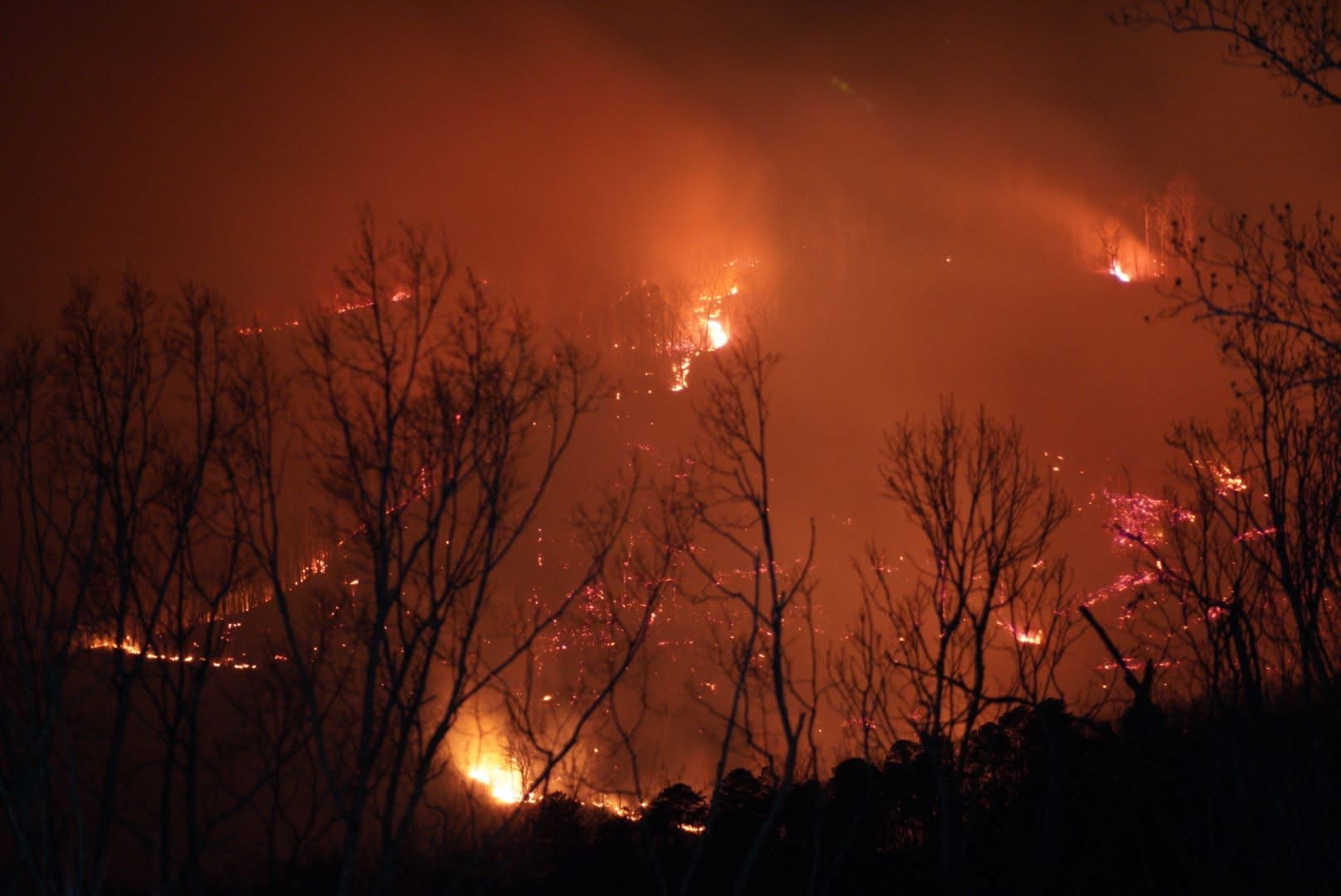
Containment percentages indicate how much of a wildfire’s perimeter firefighters have successfully controlled. Fire lines, backburns, and other suppression tactics create barriers to prevent further spread. However, a higher containment percentage does not necessarily mean the fire is extinguished or nearly under control. Instead, it reflects how much of the fire is being actively held within established fire lines. Even when fire lines completely encircle a fire, fire officers may still assign a lower or even “zero” percent containment. This is because containment is not just about having fire lines in place—it also reflects confidence in their ability to hold the fire. A fire that is 100% contained does not mean it is extinguished; it only indicates that all perimeters have been secured to prevent further spread. A contained fire can still burn within its perimeter, while a controlled fire is fully managed and no longer poses a risk of spreading.
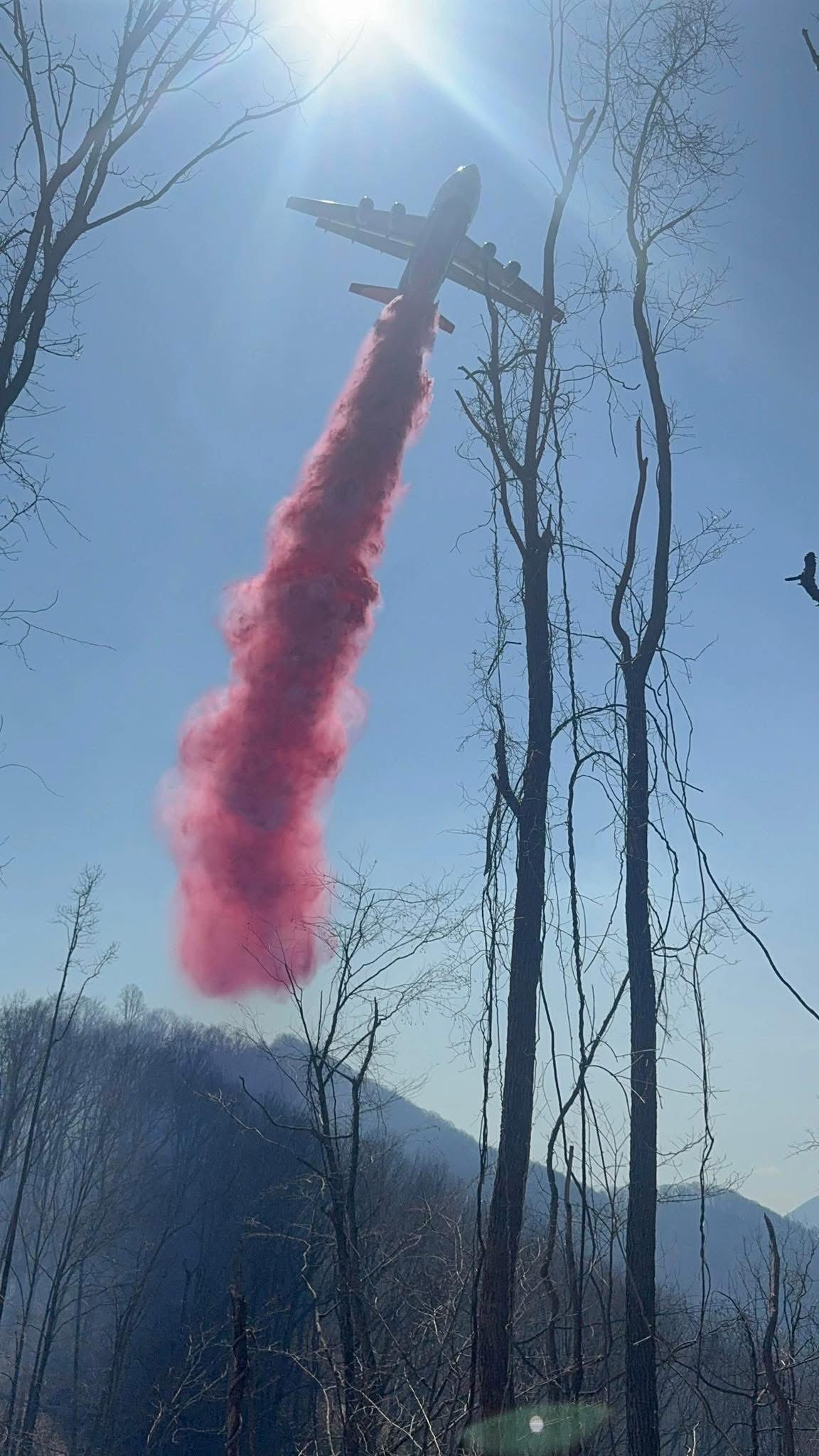
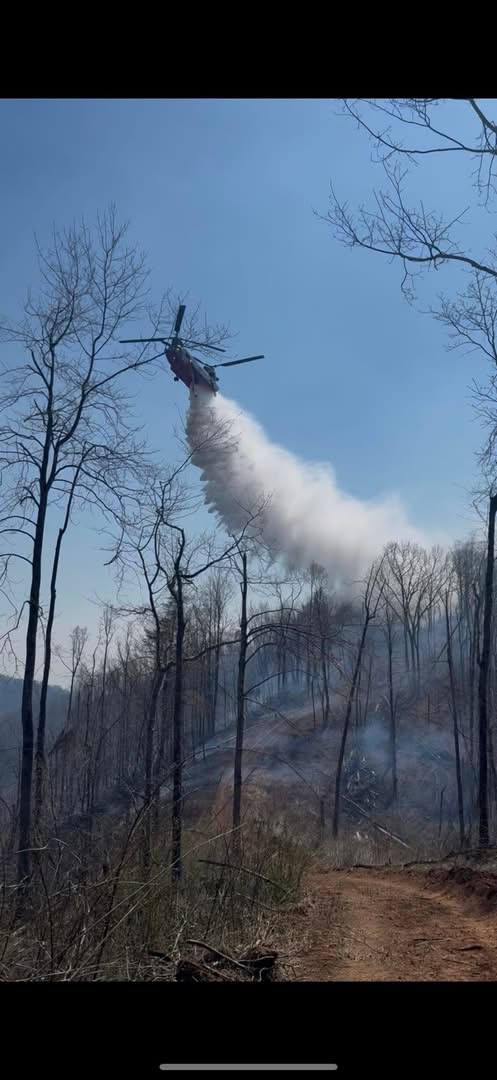
Several factors influence how quickly a wildfire can be contained and why containment percentages may rise, stall, or even decrease over time. Weather conditions play a crucial role—strong winds can push flames beyond fire lines, while high temperatures and low humidity make vegetation more flammable. The terrain also presents challenges, as fires in steep, mountainous, or heavily forested areas are more challenging to access and control. Additionally, the type of vegetation burning affects containment efforts. Grass fires spread quickly but are often easier to manage, whereas fires in dense forests with thick underbrush take longer to contain and usually require specialized equipment that local fire departments do not have, such as bulldozers and aircraft.
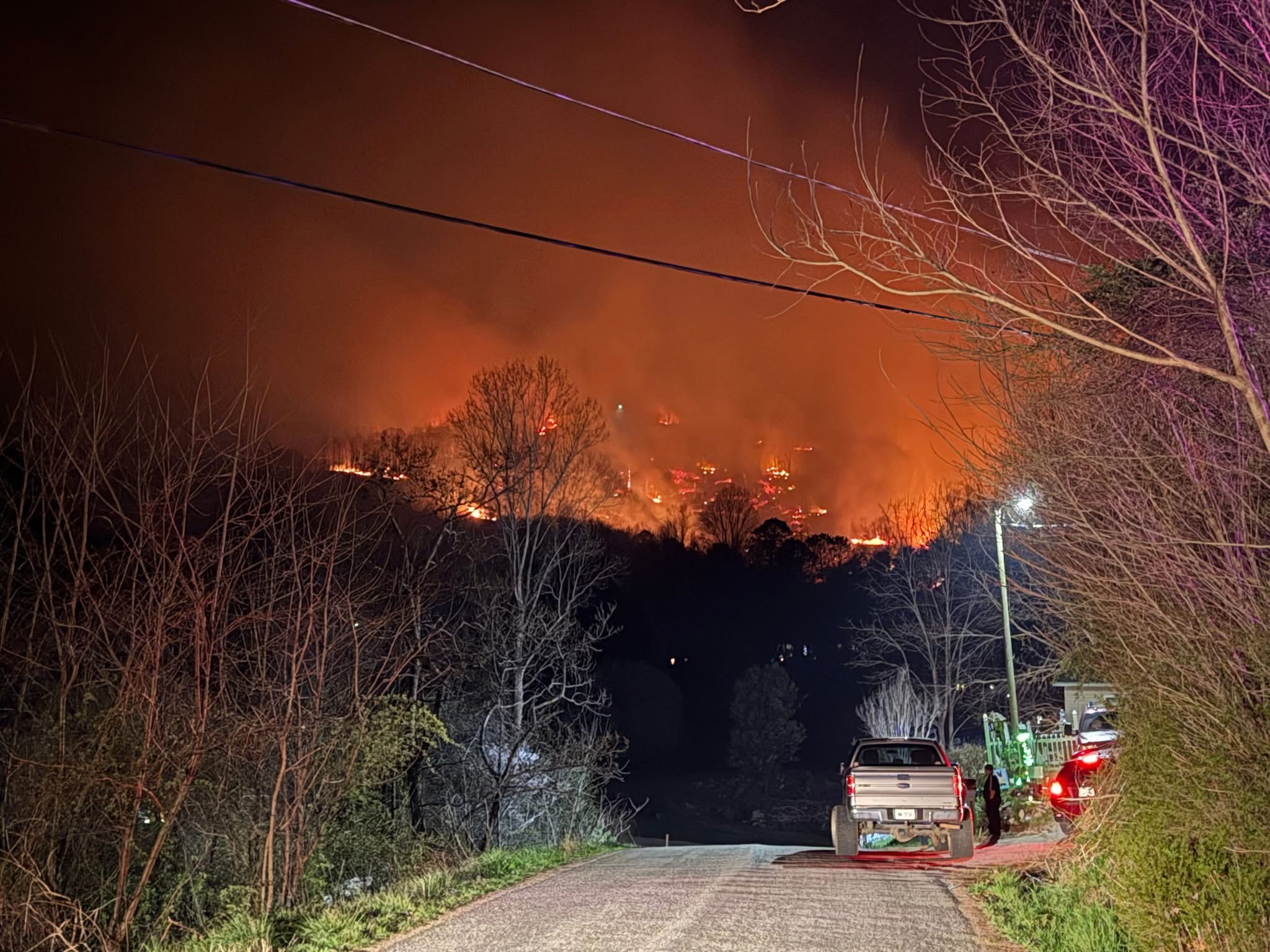
The size and spread of the fire are also key considerations. A large fire perimeter means more work is needed to establish containment, and if the fire is spreading rapidly, firefighters must continuously expand and reinforce fire lines, making percentage increases appear slower. Determining the fire’s perimeter can make use of aerial resources such as drones and aircraft, but in most cases, it must be physically surveyed by walking the entire perimeter, with the latter being more precise – and more labor intensive. Fires often behave unpredictably, growing in multiple directions due to shifting winds. Even with strong containment efforts, embers carried by the wind can ignite new fires beyond containment lines, requiring additional work to bring these spot fires within the original fire’s boundary. This, too, can reduce, stall, or lower reported containment percentages rapidly.
The strategies and resources available to firefighters significantly impact containment progress. Firefighters use direct and indirect tactics, with direct attacks suppressing flames at the fire’s edge. In contrast, indirect methods—such as setting backfires ahead of the fire—can take longer to establish containment. Weather and topography influence the choice of tactics. The availability of personnel, fire trucks, aircraft, and bulldozers also affects the speed of containment. When multiple fires are burning, limited resources may slow progress. Of course, firefighter safety is the number one priority. In dangerous conditions, certain sections of a fire may be left uncontained until it becomes safe to engage, temporarily keeping containment percentages lower. Additionally, resources may be allocated to protecting homes and communities rather than increasing containment percentages in less critical areas.
Delays in reporting containment figures can create the impression that progress is slower than it actually is. Fire officers update containment percentages only after confirming that fire lines are secure. As a result, progress may have been made but not yet officially reported, or containment levels may shift rapidly due to changing fire conditions.
With advancements in technology, local fire officers can now share updates more quickly, sometimes even outpacing formal government sources like the North Carolina Forest Service website and other government sites. While this can lead to frustration over conflicting information, all agencies involved in wildfire response work closely to minimize discrepancies. However, occasional inconsistencies are inevitable. It’s important to understand that no agency is attempting to mislead the public—rather, they are working to provide the most accurate and timely information possible. At the same time, the public’s understandable need for up-to-date information presents a challenge. Local fire departments often lack the resources for a dedicated public information officer to release updates on a consistent schedule. During large events such as wildfires, fire officers rely on partnerships with Buncombe County Emergency Management and their public information officers to ensure critical, time-sensitive information reaches the public. This is the most important of all the information and insight provided in this article. Staying informed is essential, but only through trusted sources. To receive trusted emergency notifications, text BCALERT to 99411 or visit buncombeready.org.
To end, containment percentages provide important insight into wildfire progress, but they should not be seen as the sole indicator of success. Weather conditions, fire size, available resources, and terrain all influence how quickly firefighters can contain a blaze. By considering these factors, the public can better understand wildfire containment and the challenges firefighters face in bringing a blaze under control. Lastly, a personal note of thanks to our community for their ever-present support. We know it’s there every day, but in times of hardship, such as large wildfires, the outpouring of support is seen and emotion-provoking. We are blessed with such a wonderful community!